

UNIVERSIDADE ABERTA À TERCEIRA IDADE
N° de Visitas: 

UNIVERSIDADE ABERTA À TERCEIRA IDADE
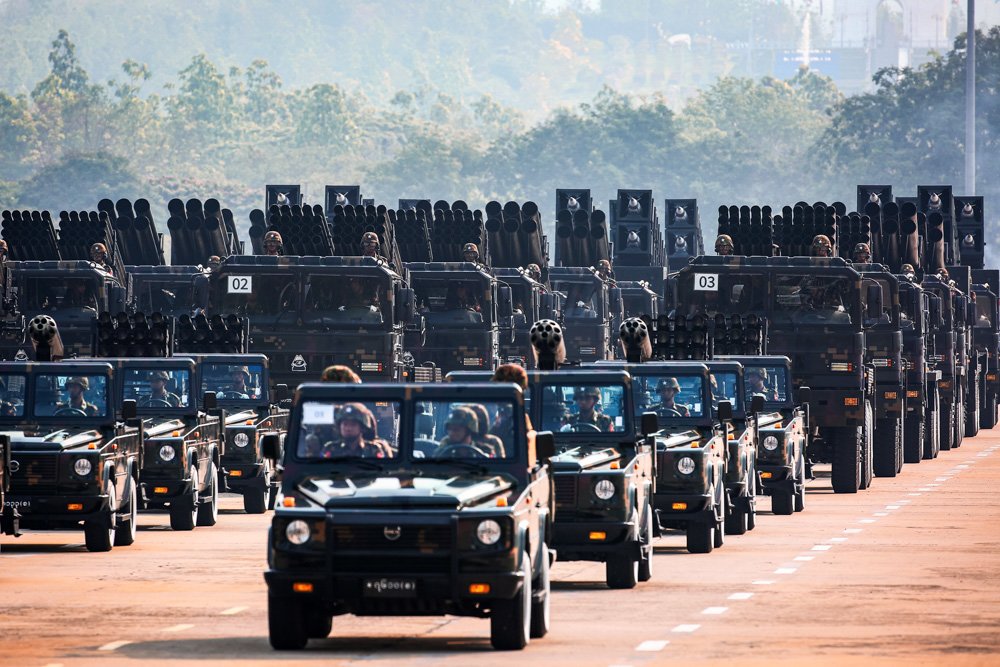
Understanding the complexities of guidance on Burma sanctions is essential for entities engaged in business or personal activities involving Burma, also known as Myanmar. The evolving landscape of international relations and internal conflicts in Myanmar prompts a review of the policies and regulations affecting foreign engagements and investments. This article provides an overview of the existing sanctions, legal frameworks, and compliance strategies pertinent to Burma.
Sanctions on Burma have a longstanding history, primarily emerging as international responses to military rule, human rights violations, and the lack of democratic governance. These sanctions are imposed by various entities, including the United States, the European Union, and the United Nations. Understanding the historical context of these sanctions is crucial for appreciating their current applications and implications.
The U.S. sanctions regime began to take shape in the late 1990s, initially targeting specific individuals and entities associated with the military junta and its human rights abuses. Over time, the sanctions expanded to include broader economic restrictions, discouraging investments and trade with the nation. While some sanctions were lifted following Burma’s gradual political reforms in the early 2010s, recent years have seen a resurgence of sanctions in light of the military coup of February 2021, which has led to widespread unrest and international condemnation.
The legal framework governing Burma sanctions consists of various acts and regulations, primarily enforced by the Office of Foreign Assets Control (OFAC) within the U.S. Department of the Treasury. Key regulations include the Burmese Financial Sanctions and the Burmese Sanctions Regulations. These rules prohibit any dealings with specifically designated individuals and entities linked to the military government and require individuals and businesses to exercise due diligence in their operations.
The European Union has also enacted its sanctions regime, which restricts trade, investment, and financial services provided to certain Myanmar entities. Furthermore, entities like the United Nations have imposed embargoes and restrictions concerning arms trade and related activities in response to human rights concerns.
Conducting thorough risk assessments and due diligence is paramount for any entity considering engagement with Burma. Businesses must evaluate the potential impact of sanctions on their operations, including possible fines, reputational damage, and operational disruptions. Due diligence should involve scrutinizing business partners and supply chains to ensure compliance with sanctions regulations.
Legal counsel and compliance professionals can offer invaluable insights into the intricacies of the sanctions and help businesses navigate the complex regulatory landscape. This can include reviewing contracts, identifying sanctioned entities, and structuring transactions to avoid inadvertent breaches of the regulations.

To comply with Burma sanctions, organizations should implement robust compliance programs that encompass employee training, continuous monitoring of regulatory changes, and regular audits of business practices. Key strategies include:
Engagement with Burma poses significant legal challenges due to the evolving nature of sanctions and the geopolitical landscape. Organizations must remain vigilant in their compliance efforts to avoid potential legal repercussions and uphold ethical standards in their business practices. The key to successful engagement lies in understanding the legal framework, conducting thorough due diligence, and implementing comprehensive compliance strategies. By adhering to guidelines on Burma sanctions, entities can navigate this complex environment responsibly and sustainably.